Know the line between DIY and pro work
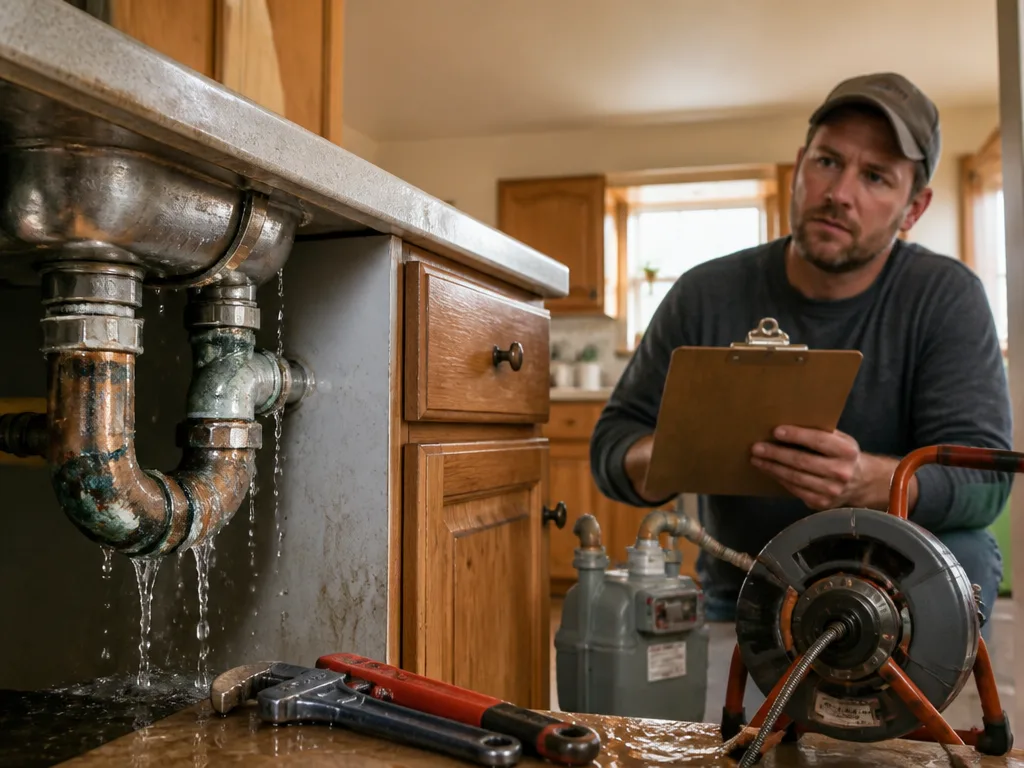
Homeowners in Nebraska often handle low-risk tasks themselves. A leaky faucet, a clogged drain that you’ve tried to clear with a plunger or a basic auger is usually a candidate for DIY, as long as safety guidelines are followed and you don’t disturb gas lines or pressurized systems.
But not every leak or clog is worth the gamble. With gas lines, buried pressure systems, or main wastewater lines, a professional should be involved. A misstep can lead to bigger damage and expensive repairs down the road.
What you can safely tackle yourself
Before you call a pro, gather a few details that help the plumber diagnose quickly: when the issue started, whether the problem affects one fixture or multiple areas, any noises or smells, and whether you’ve tried any remedies. Taking photos of the area from a safe distance can also help when you explain the situation.
For typical home jobs that don’t involve gas lines or main lines, basic maintenance like replacing aerators, clearing minor clogs with a plunger, or removing mineral buildup from fixtures can be done by a confident homeowner. Plan ahead so you have the right tools and know your limits.
When it’s time to call a pro
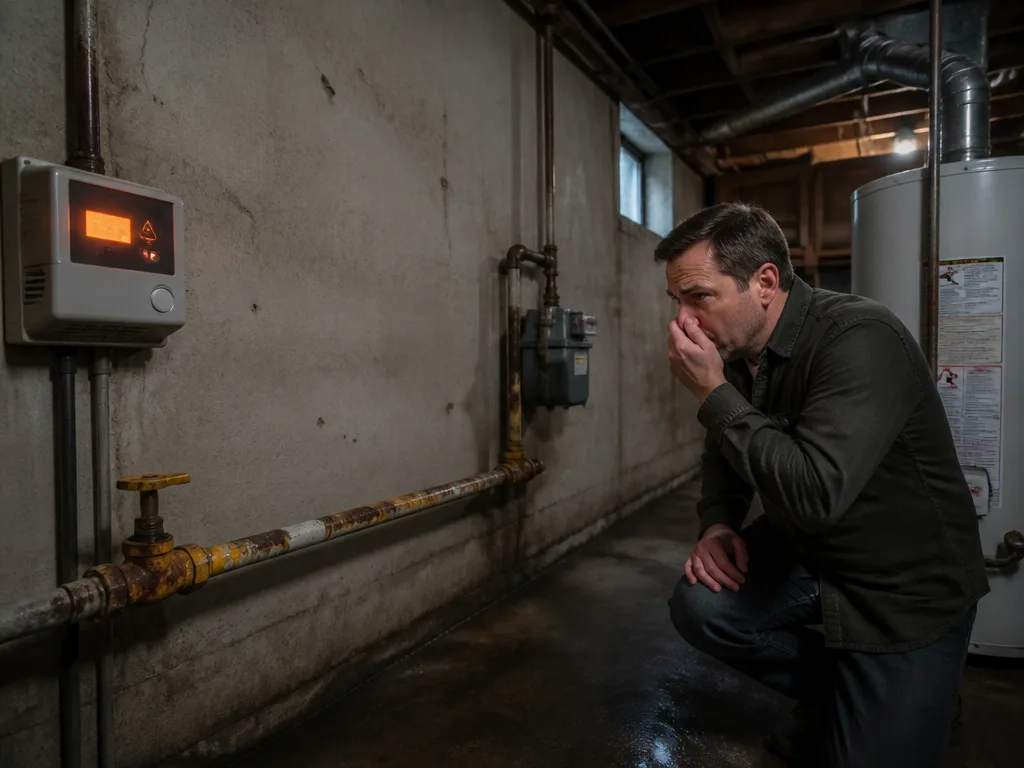
If you notice persistent leaks, banging sounds in walls, damp spots near foundations, or a drop in water pressure across several fixtures, it’s time to bring in a plumber. Gas odors, a hot water heater that can’t keep up, or a main line backup are red flags that call for professional assessment.
In Nebraska, our crews work statewide to diagnose and fix problems without guessing. We’ll explain our findings, lay out options, and help you choose a safe, reliable path forward.
Practical steps for homeowners
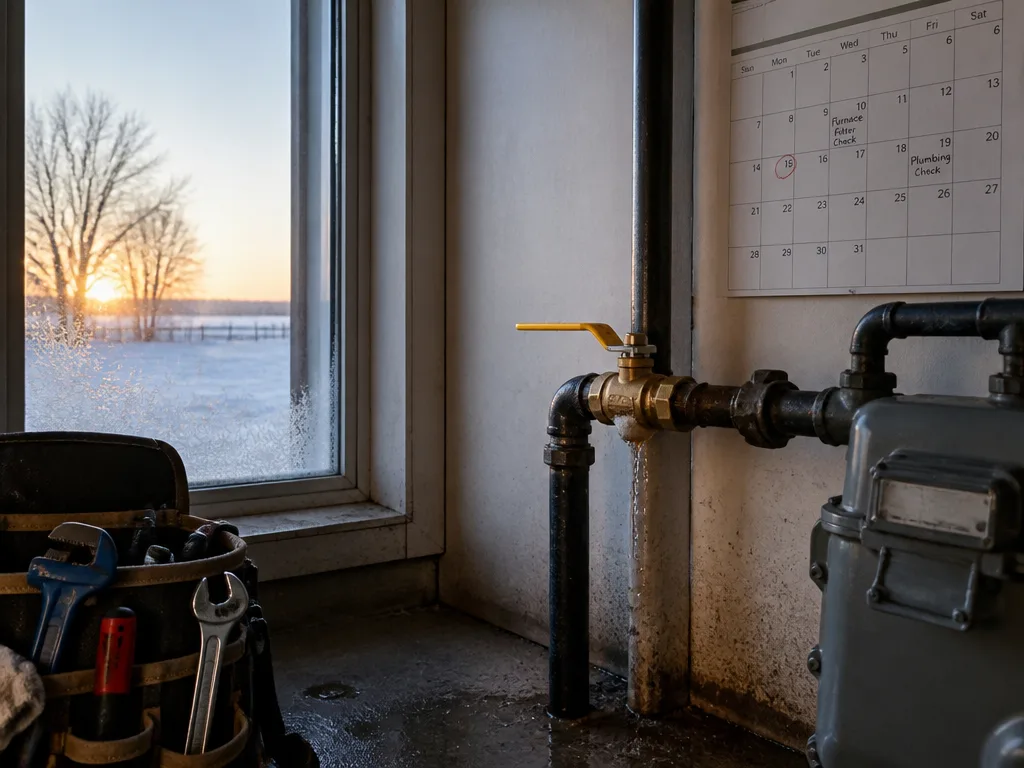
Keep a basic maintenance kit on hand, including a wrench set, a plunger, and a small flashlight. If you rent, review your lease for allowed DIY tasks and who covers major repairs. And schedule annual checks of pressure systems to keep your home safe and comfortable across Nebraska.